In the realm of farm management, the selection of appropriate fencing holds substantial significance in ensuring the security and operational efficacy of agricultural properties. Our forthcoming blog post, titled “7 Impressive Farm Fence Ideas You Need to Know” will meticulously examine and elucidate a diverse array of fencing solutions. Ranging from conventional wooden and wired enclosures to state-of-the-art electric and woven configurations, the article seeks to present pragmatic and avant-garde concepts to assist in informed decision-making.
So let’s dive into this blog today to accompany us in exploring the intricacies of farm fencing, as we endeavor to identify and illuminate the most admirable and functionally effective propositions for agricultural enterprises.
Factors to Consider to Choose a Farm Fence
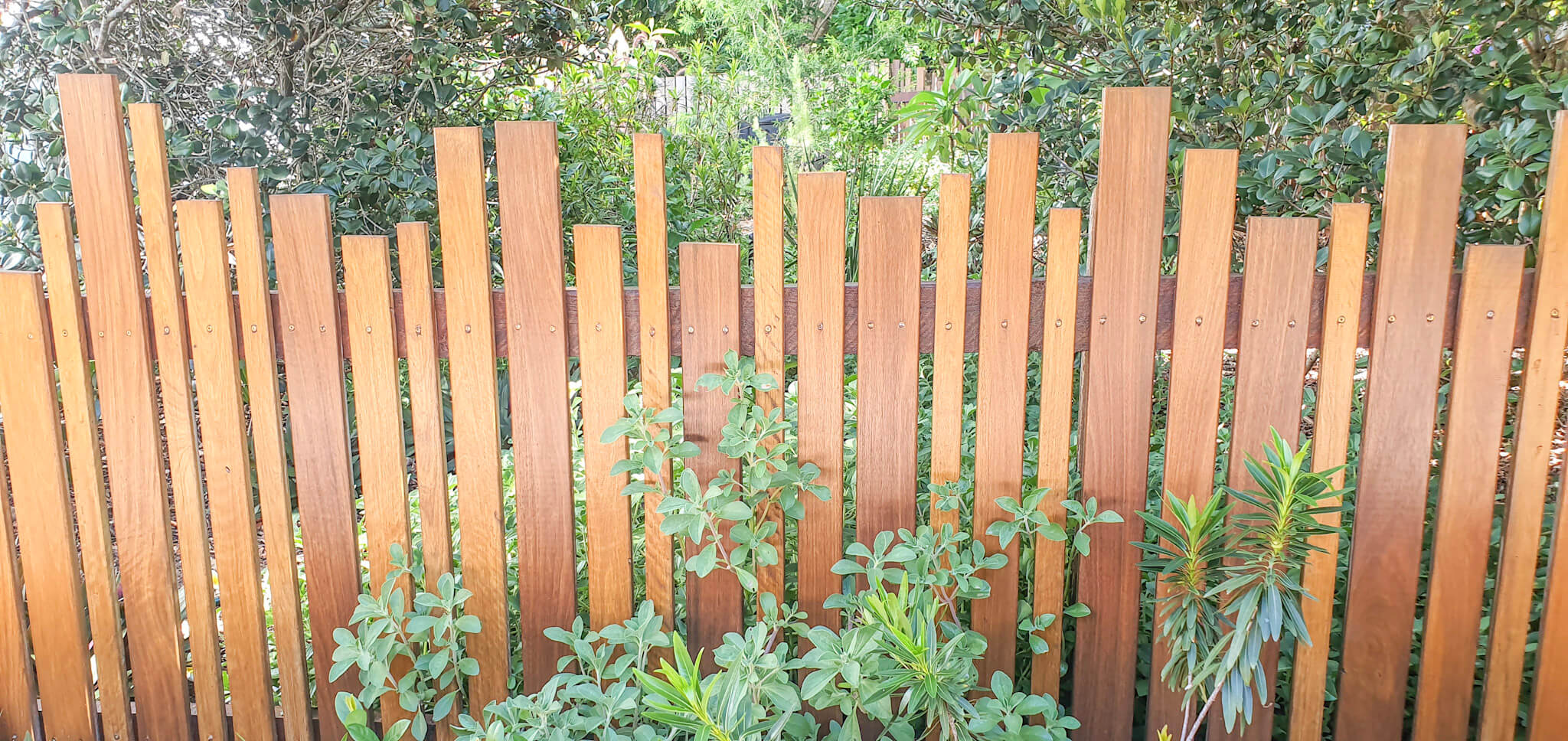
Factors to consider when choosing a farm fence are crucial to ensure it meets your needs effectively, especially when it comes to livestock containment, security against wildlife, and property boundary marking. Different types of livestock require specific fencing solutions:
1. Livestock Containment
Choose a farm fence suitable for your livestock. For instance, cattle often require robust options like barbed wire or high-tensile wire fences, while sheep and goats benefit from woven wire with small openings.
2. Security
Protecting crops and livestock from wildlife or trespassers is paramount. Consider sturdy materials like metal farm fences (woven wire, barbed wire) or electric fencing for versatility.
3. Property Boundary Marking
Ensure legal compliance and aesthetic appeal with farm fences that clearly mark boundaries, such as wooden or vinyl rail fences.
4. Fence Materials
5. Terrain and Climate
Adapt farm fencing to terrain (flat or uneven) and climate (wet or dry). Materials like metal may require rust prevention in humid areas, while wood may deteriorate in wet climates.
6. Maintenance and Cost
Factor in ongoing maintenance costs and initial installation expenses. Some farm fences, like vinyl, have higher upfront costs but lower maintenance requirements.
7. Aesthetics
While functionality is paramount, the visual impact of the fence on your property is also worth considering. Choose a design and material that complement the overall look of your farm.
8. Local Regulations
Check local laws on farm fencing, especially regarding boundaries and wildlife management.
9. Ease of Installation
Consider whether you’ll install the farm fencing yourself or hire professionals. Some fences are easier to install than others, affecting time and cost considerations.
Standard Height Standards and Color for Farm Fence
Choosing the right farm fence is essential for ensuring both functionality and appearance. Two key factors to consider are fence height and color, both of which depend on the type of animals you’re keeping and the look you want for your property.
Standard Farm Fence Heights Based on Livestock
Fence height isn’t one-size-fits-all—it depends heavily on the type of animals you’re housing. Here are general guidelines for common farm animals:
1. Cattle
Recommended height: 48 to 54 inches (1.2 to 1.4 meters)
Cattle fences should be tall enough to contain movement but still allow for easy visibility. A strong, well-constructed fence prevents pushing and leaning that can damage your fencing system.
2. Sheep and Goats
Recommended height: Around 48 inches (1.2 meters)
These animals are notorious escape artists. In addition to the right height, use fencing with smaller gaps or mesh to prevent them from slipping through or climbing.
3. Horses
Recommended height: 54 to 60 inches (1.4 to 1.5 meters)
Horse fencing must be not only tall but highly visible to avoid injury. Smooth edges or electric wire options can be used for added safety.
4. Poultry
Recommended height: At least 48 inches (1.2 meters)
Fences for chickens, ducks, and other birds need to be tall enough to keep them from flying over. Consider adding overhead netting if predators are a concern.
5. Deer and Wildlife
Recommended height: Around 96 inches (2.4 meters)
If you’re protecting crops or livestock from deer or other wildlife, you’ll need extra-tall fencing to prevent them from jumping over.
Choosing the Right Fence Color for Function and Style
Color may seem like a purely aesthetic choice, but it can impact animal safety, fence visibility, and even long-term maintenance. Here are the most common options:
1. White Fencing
-
Best for: Horses and visibility
-
Pros: Clean, classic look; highly visible to animals
-
Cons: Requires regular cleaning—dirt and stains show easily
2. Black Fencing
-
Best for: Modern properties, low-maintenance farms
-
Pros: Hides dirt well; stylish and sleek
-
Cons: Can absorb heat, which may not be ideal in hotter climates
3. Natural Wood Fencing
-
Best for: Rustic or traditional farm settings
-
Pros: Aesthetic appeal; blends well with natural surroundings
-
Cons: Needs regular staining or sealing to resist weather damage
4. Green Fencing
-
Best for: Blending into the landscape
-
Pros: Unobtrusive and natural look
-
Cons: May reduce visibility depending on vegetation and terrain
4. Brown Fencing
-
Best for: Earthy, farm-style environments
-
Pros: Offers a rustic charm; requires less upkeep than lighter colors
-
Cons: Less visibility for animals compared to white or black
6. Galvanized Metal (Unpainted)
-
Best for: Industrial or large-scale farms
-
Pros: Extremely durable; weather-resistant; low maintenance
-
Cons: Limited in color choices; may not suit every aesthetic
Need help choosing the best fencing solution for your farm? Reach out to our experts—we’d be happy to help you make the right decision for your property.
7 Impressive Farm Fence Ideas You Need to Know
Wooden Split Rail Farm Fence
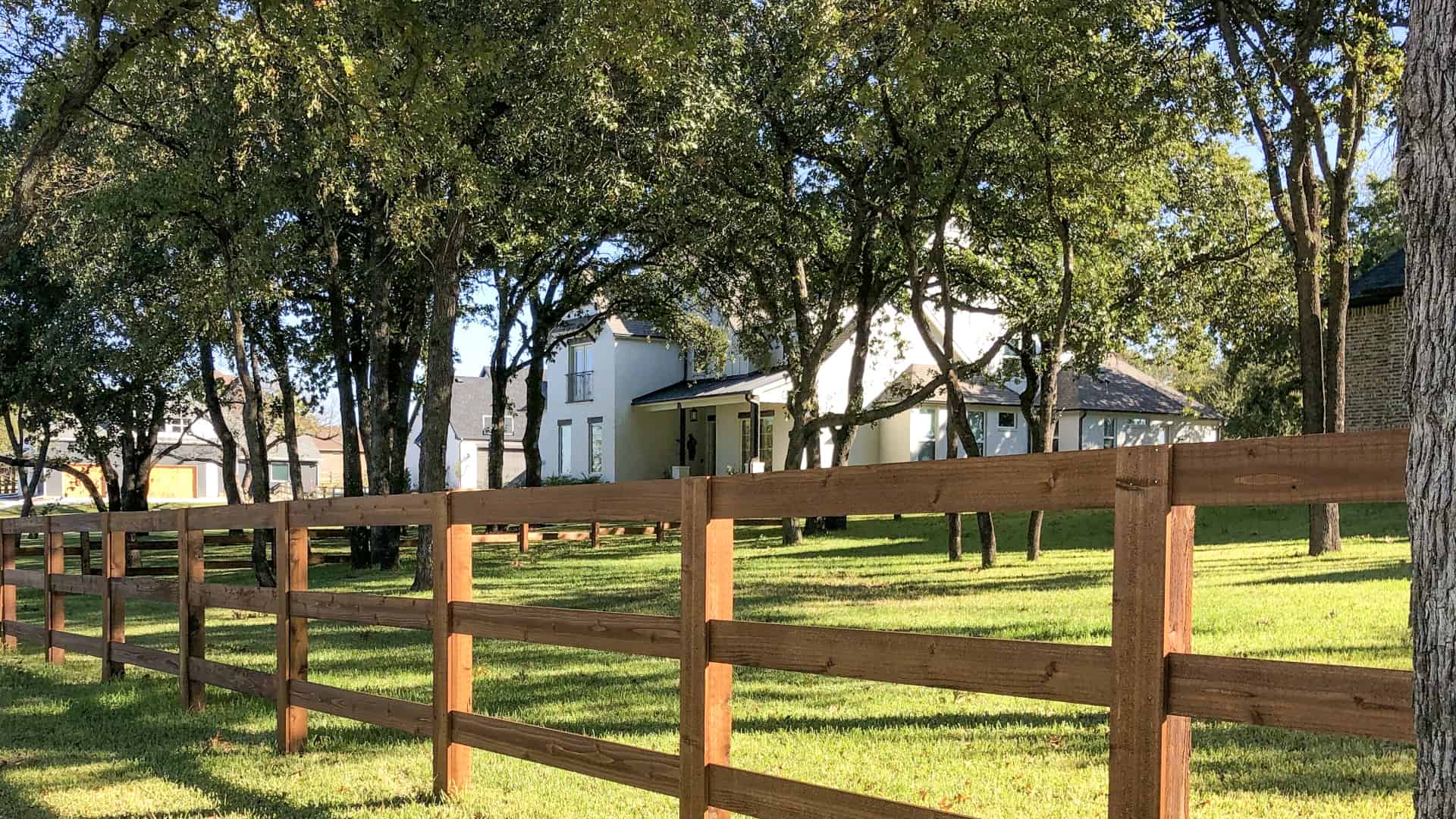
A classic choice, the wooden split rail farm fence is both attractive and functional, making it a popular option for many farmers. This type of farm fencing consists of horizontal rails that fit into vertical posts, creating a sturdy barrier without obstructing the view. Its rustic charm adds a traditional aesthetic to any farm, blending seamlessly with natural landscapes. These fences are particularly ideal for marking property boundaries and containing larger livestock such as horses and cattle. While they do require some maintenance to prevent rot and insect damage, their timeless appeal and versatility make them a worthwhile investment for many farm owners.
High-Tensile Wire Farm Fence
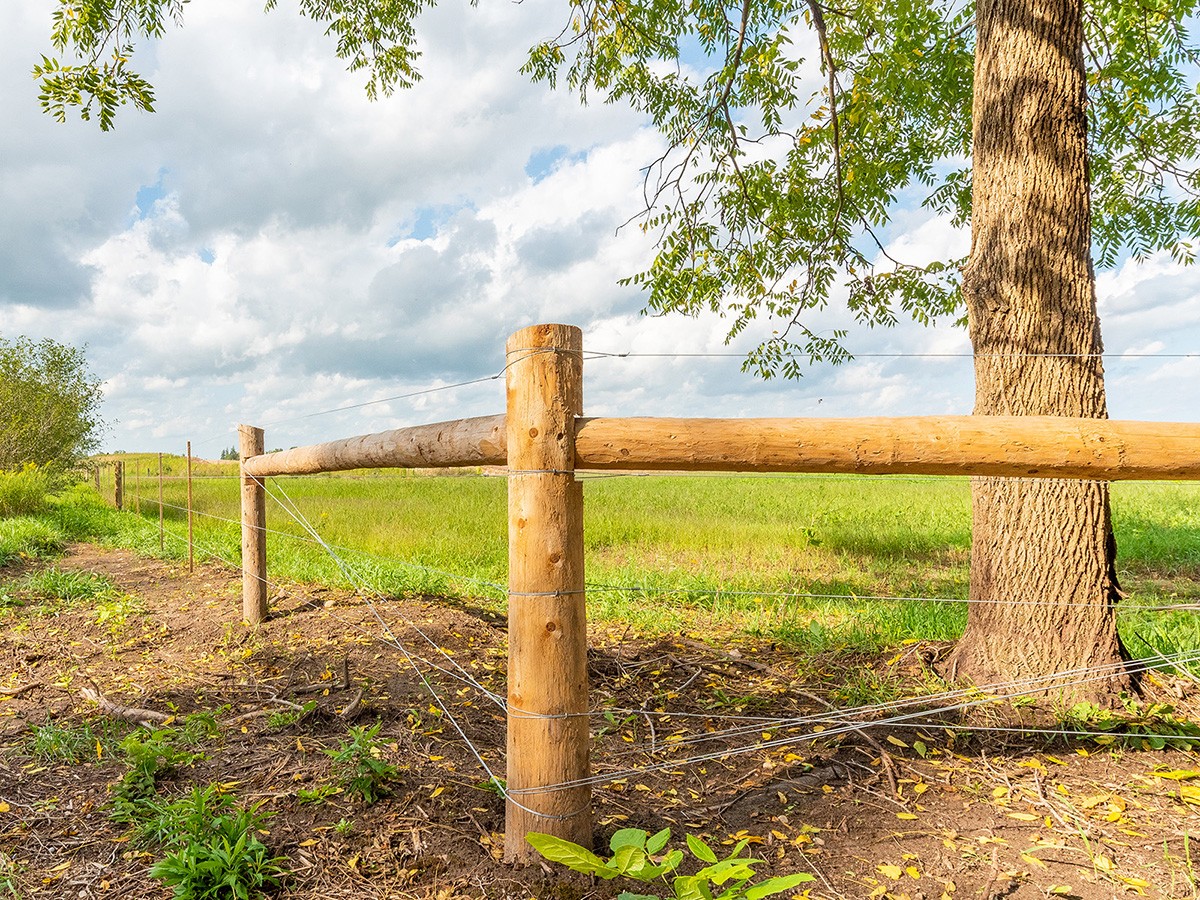
High-tensile wire farm fences are made from strong, durable wire capable of withstanding significant pressure, making them suitable for various types of livestock. These farm fences are a cost-effective solution, especially for large areas, as they require less material and fewer posts compared to traditional wire fences. These fences are also low maintenance, needing occasional tightening rather than frequent repairs. They are particularly effective for containing animals such as cattle and sheep, offering a secure and reliable barrier that can be electrified for added control. This makes them an excellent choice for farmers seeking a practical and durable fencing option.
Vinyl Rail Farm Fence
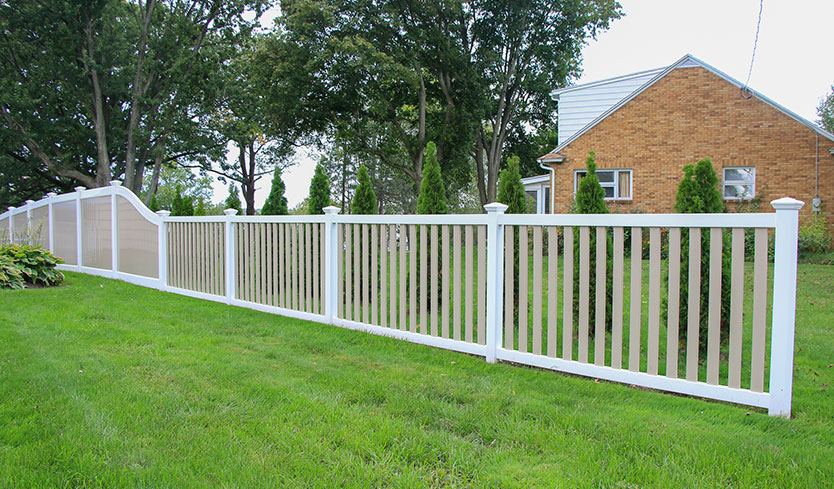
Vinyl rail farm fences mimic the appearance of traditional wooden fences but are made from durable PVC, offering the advantages of longevity and low maintenance. These fences are resistant to weathering, meaning they do not require painting or staining and can withstand harsh environmental conditions without deteriorating. They are particularly suitable for horses due to their smooth surface, which prevents injuries, and their high visibility, which helps the animals see the fence. Additionally, these fences add a clean, modern look to the farm, enhancing its aesthetic appeal while providing a functional barrier.
Electric Farm Fence

Electric farm fences use a mild shock to contain animals and can be used independently or in combination with other types of fences. They are highly effective for a variety of livestock, including cattle and sheep, and even for deterring predators. Electric farm fences are easy to install and can be adapted to different terrains, making them a versatile option for many farmers. The shock delivered by the farm fencing serves as a strong deterrent, teaching animals to respect the boundary without causing harm. This type of farm fencing is especially useful for rotational grazing systems, where flexibility and ease of movement are essential.
Woven Wire Farm Fence
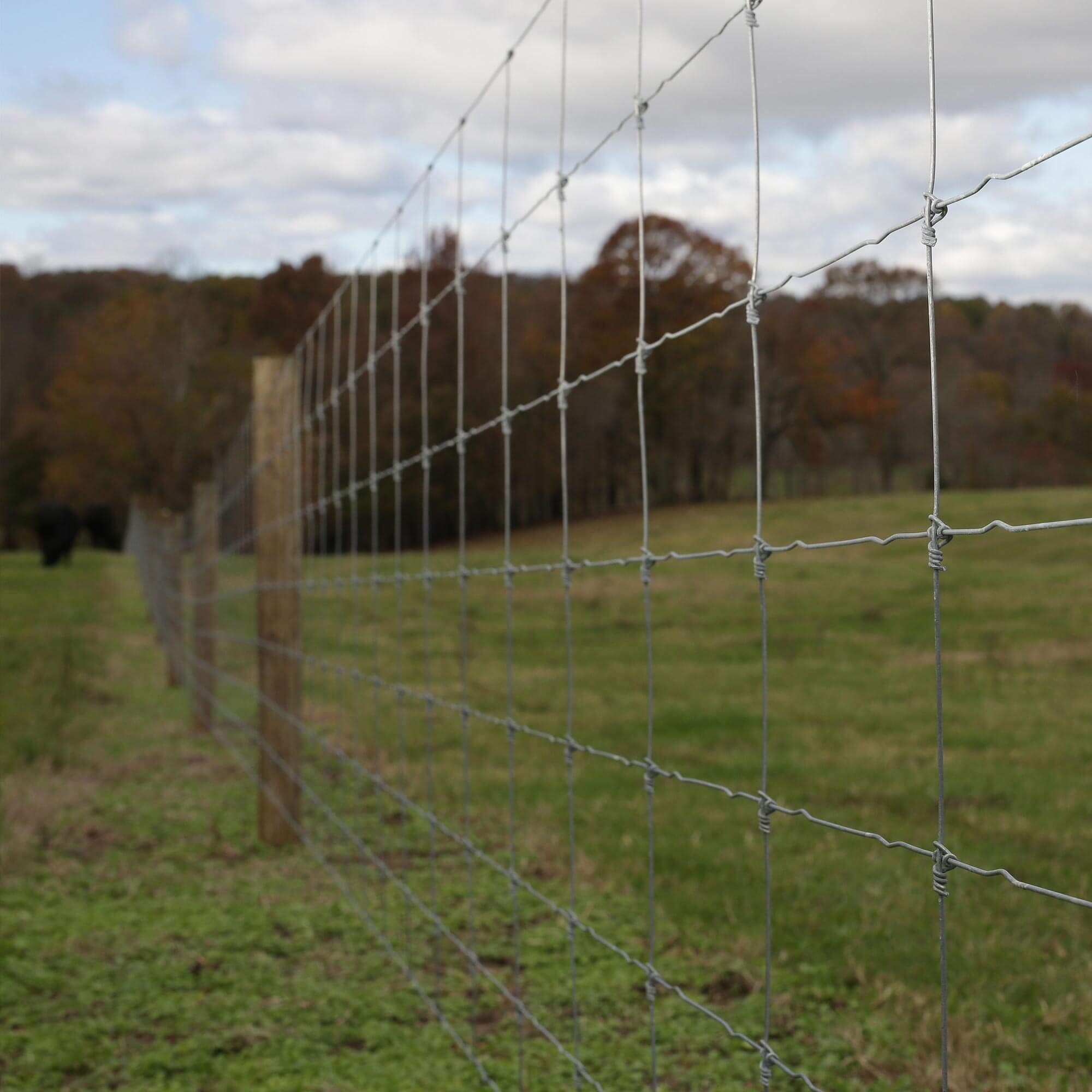
Woven wire farm fences consist of horizontal and vertical wires woven together to form a strong, secure grip. This type of farm fence is perfect for containing smaller livestock like sheep and goats, as the small grid openings prevent animals from escaping and protect against predators. These fences are highly durable and can withstand significant pressure from animals leaning or pushing against them. They are also versatile and suitable for a variety of farm applications, including gardens and poultry runs. The robust construction of woven wire farm fencing ensures long-lasting performance, making them a reliable choice for many farmers.
Barbed Wire Farm Fence
:max_bytes(150000):strip_icc()/barbed-fence-resized-56a885815f9b58b7d0f30bfd.jpg)
Barbed wire farm fences are a traditional choice for cattle, made from twisted strands of wire with barbs spaced along the strands. These fences are inexpensive and effective for containing large, sturdy animals, providing a strong deterrent against crossing. However, they require careful handling and regular maintenance to prevent injuries to livestock and ensure the fence remains secure. Despite the maintenance needs, barbed wire farm fencing offer a practical solution for farmers seeking an economical and robust fencing option. Their effectiveness and ease of installation make them a long-standing favorite in the agricultural community.
Post and Rail Farm Fence

Featuring horizontal rails that connect to vertical posts, the post and rail farm fencing is a simple yet sturdy option that adds a traditional farm look to any property. This type of farm fence is versatile and attractive, suitable for a variety of animals, including horses and cattle. They are easy to install and can be combined with wire mesh for added security, making them a flexible choice for many farm applications. The classic design of post and rail farm fencing not only provides functional benefits but also enhances the visual appeal of the farm, creating a welcoming and well-kept appearance.
Conclusion
Selecting the perfect fence for your farm is essential to maintaining security, functionality, and aesthetic appeal. With these seven impressive farm fence ideas, you have a variety of options to suit different needs and preferences. From traditional wooden fences to modern electric solutions, each type offers unique benefits that can enhance your farm’s overall efficiency and appearance.
Whether you’re looking to keep livestock contained, protect crops, or simply add a touch of charm to your property, these fence ideas provide practical and stylish solutions. Take the time to assess your specific requirements and choose the fencing that best aligns with your goals for a well-protected and visually appealing farm.