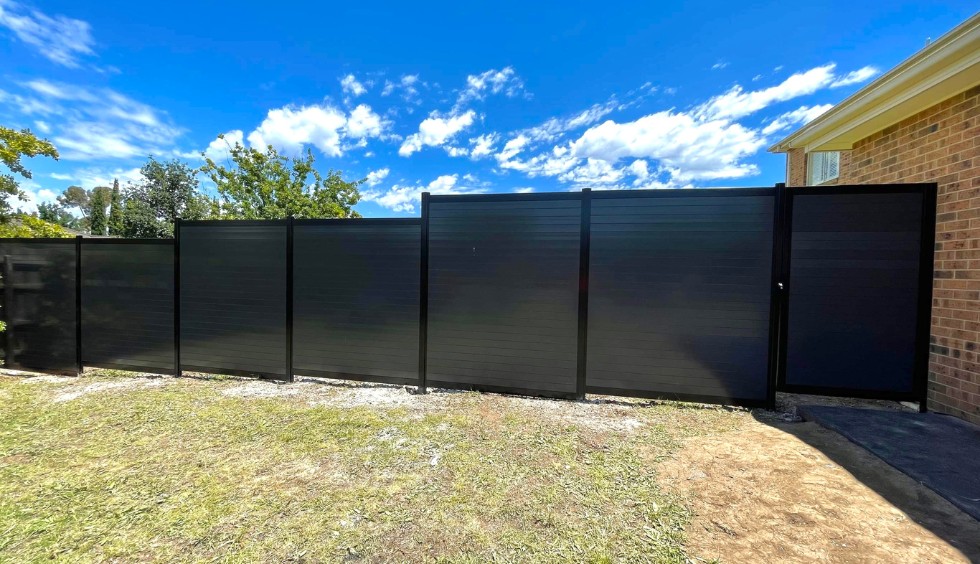
In Melbourne 2025, the average backyard fence replacement cost ranges from $120 to $250 per metre, depending on the material, fence height, site conditions, and labour rates. On average, most homeowners spend between $3,000 and $7,500 to replace a typical 20–30 metre backyard fence. The final price varies by whether you choose timber, Colorbond, aluminium, or brick fencing, as well as extras like gate installation, old fence removal, and permits.
This 2025 Melbourne fencing cost guide breaks down backyard fence replacement cost per metre, explains what drives prices, and helps you plan your project with realistic local insights.
A basic new fence (mid-tier materials, standard height) typically falls between AU$120 to $200 per linear metre (labour + materials) — in current 2025 pricing.
Premium fences (steel, aluminium, decorative panels) can range $180 to $350+ per metre, depending on complexity.
Very simple fences or volume jobs might go lower; unique, high-end or custom fences push you above those ranges.
Steel fences (structural, decorative) often fall between $180 and $350 per metre in Melbourne.
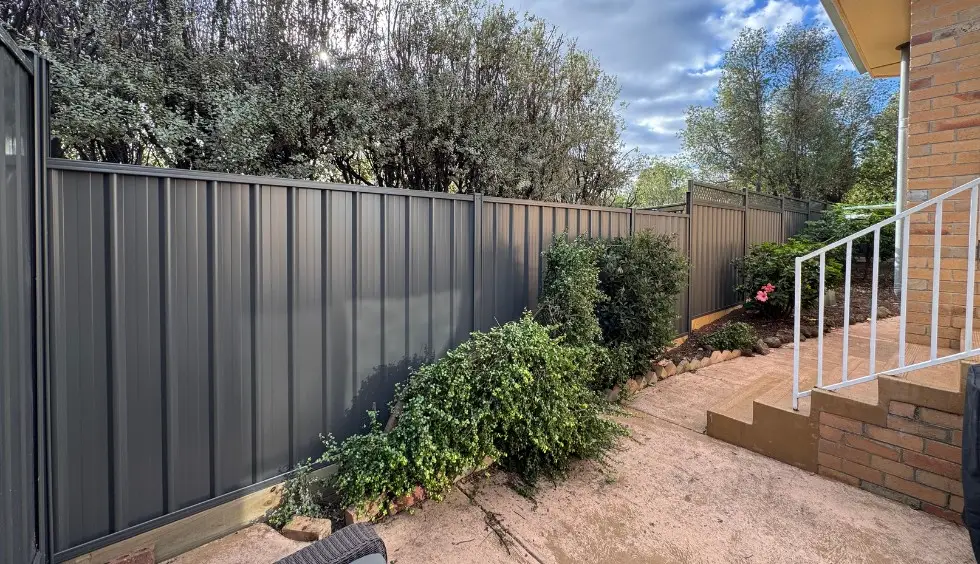
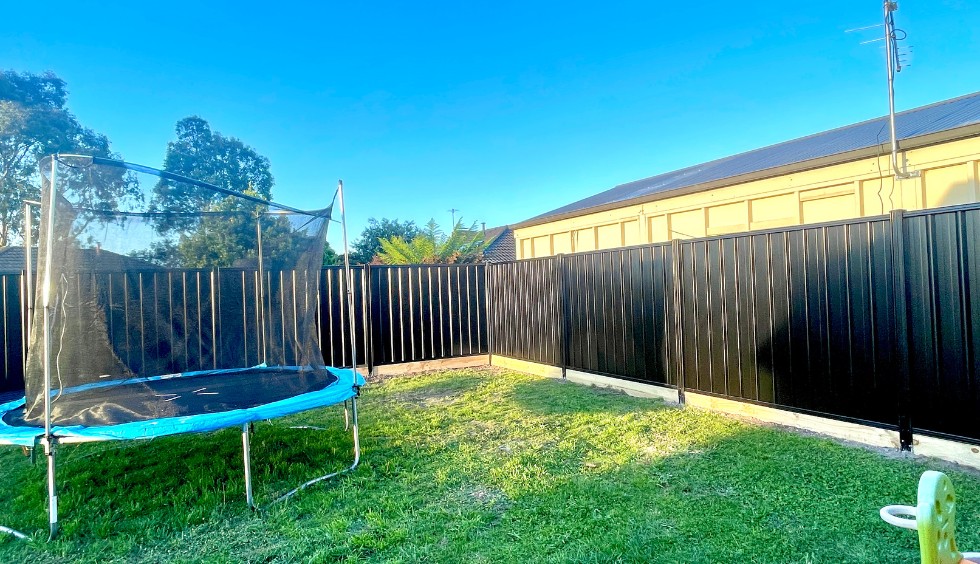
Colourbond fences (a popular steel option) typically land at $75 to $120 per metre in many areas.
To illustrate: if you need 25 metres of new fencing at $150 per metre, that’s $3,750. Add gate(s), site works, and you might hit $4,500–$5,000 total.
According to Melbourne boundary fence guides, a 20-metre Colorbond boundary fence might cost between $2,000 and $4,000 depending on height and complexity.
Online quote forums reflect similar ranges: e.g. replacing 23 m of Colorbond (removal, new posts, gate) quoted ~$9,400 in one region, though that may reflect local pricing or extra works.
So yes — the range is wide. Your actual quote will depend heavily on your variables.
Fence Replacement Cost per Metre in Melbourne (2025)
Let’s zoom in on fence replacement cost per metre Melbourne (labour + materials). Below is a rough guide by material type (in 2025 Melbourne conditions):
Material / Type
Estimated Cost per Metre*
Notes / Caveats
Treated pine paling (standard)
$120 – $180
Basic privacy paling style, minimal extras.
Hardwood timber (e.g. merbau, jarrah)
$160 – $250
Higher timber cost, more durable.
Colorbond (steel)
$75 – $120
One of the more cost-effective steel options.
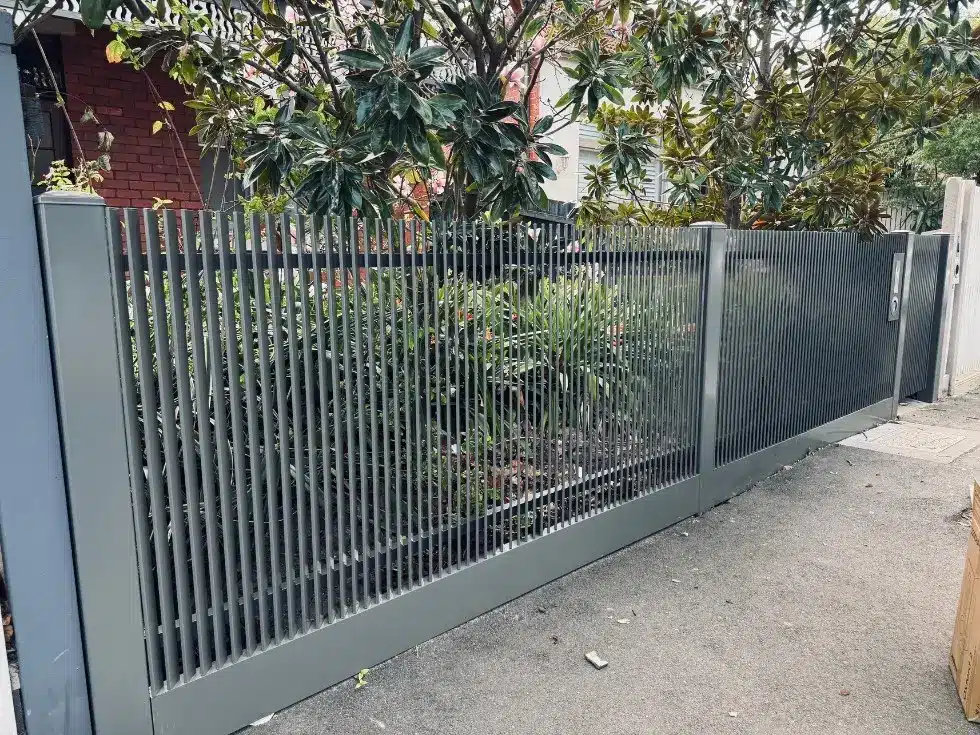
Aluminium slat / architectural panels
$180 – $300+
Modern style, powder-coated finishes.
Decorative / wrought iron panels
$250 – $600+
For ornate, custom work.
Brick / rendered fence / masonry
$550 – $880+
Very heavy construction, high labour cost.
* These are indicative averages. Real quotes may deviate based on height, site access, local labour rates, and regional variations.
From national cost guides, fences in Australia broadly vary between $40 to $1,200 per metre depending on scale, design, and materials. Another source suggests $30 to $200 per linear metre as a “normal range” for many jobs.
Also, note that labour alone might run $50 to $100 per hour or $75 to $300 per linear metre in some projects, depending on complexity.
So when you see a quote, always ask: “What’s included per metre — materials, labour, demolition, gates, posts, etc.?”
Average Cost of Backyard Fence Replacement in Melbourne (2025)
The overall cost of backyard fence replacement in Australia can range from $80 to $800 per linear meter. For a standard backyard, the total project cost can vary greatly depending on the type of fence and the specific requirements of your property.
The cost of replacing a backyard fence varies widely depending on the material, size, location, labor fees, and additional customizations.
Here’s a quick breakdown of average costs in Melbourne:
Fence Material
Cost per Linear Meter (Including Labor)
Total Cost for a 30-Meter Fence
Treated Pine
$120 – $180
$3,000 – $5,400
Cypress Pine
$120 – $250
$3,600 – $7,500
Hardwood Timber
$180 – $350
$5,400 – $10,500
Colorbond Steel
$100 – $220
$3,000 – $6,600
Aluminium
$250 – $450
$7,500 – $13,500
Composite
$200 – $400
$6,000 – $12,000
Wrought Iron
$350 – $800
$10,500 – $24,000
Chain Link
$80 – $150
$2,400 – $4,500
PVC Fencing
$150 – $300
$4,500 – $9,000
Note: These prices include both material and installation costs, specific to Melbourne in 2025.
Fence Replacement Cost by Material (with Pros & Cons)
The type of material used significantly impacts the total cost. Treated pine and chain link fences are budget-friendly, whereas composite, wrought iron, and aluminium fences are more expensive due to their durability and aesthetic appeal.
1. Timber Fencing
Timber fencing is a popular choice in Australia due to its natural charm and affordability. The cost for timber fencing can range from $120 to $250 per metre for treated pine, while hardwood paling fences can cost between $180 and $350 per metre. Timber fences are versatile and can be stained, painted, or left natural. However, they require regular maintenance to prevent rot and termite damage.
Cost: ~$120–$250 per metre depending on type and finish
Pros: Natural look, easy to repair, good for privacy
Notes: For a standard timber paling fence of 1.8 m in Melbourne, ~$150 per metre is a starting point.
2. Colorbond Fencing
Colorbond fencing is known for its durability and weather resistance. The average cost for Colorbond fencing is between $100 and $220 per metre. This material is particularly popular in coastal areas due to its saltwater resistance. Colorbond fences come in a range of colors, making it easy to match your home’s exterior.
Colorbond: $75–$120 per metre for standard jobs (labour + materials)
Generic steel / structural / decorative: $180–$350+ per metre
Pros: Durable, low maintenance, termite-proof, long life
Cons: Higher upfront cost; requires professional welding/handling for custom panels
Notes: Roofers or fabricators sometimes supply Colorbond fencing panels; installers then add labour.
Pros: Lightweight, corrosion resistant, modern aesthetic
Cons: Higher cost; custom finishes add extra
Notes: Often used in upmarket homes or design-focused builds; may require specialist installers
Wrought Iron Fencing
For those looking for a more decorative and traditional option, wrought iron fencing can cost between $350 and $800 per metre. While aesthetically pleasing, wrought iron fences require regular painting to maintain their appearance and prevent rust.
PVC or Vinyl Fencing
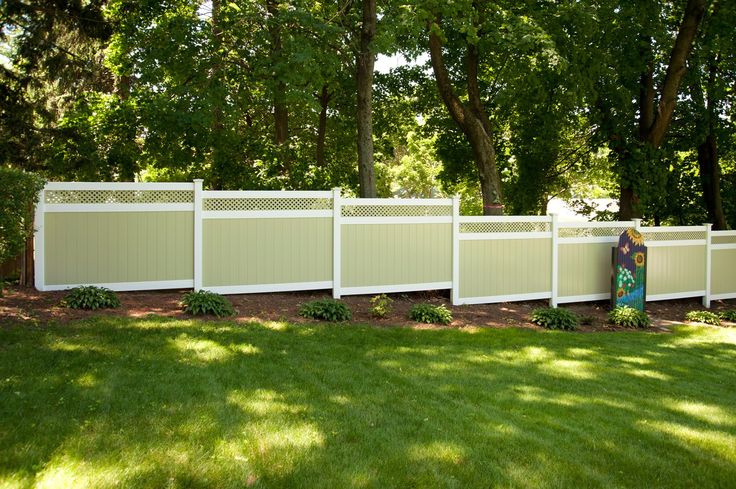
PVC or vinyl fencing is a budget-friendly option, costing between $150 and $300 per metre. These fences are low-maintenance and come in a variety of colors. They are also resistant to weather and pests, making them a practical choice for many homeowners.
Key Factors That Affect Backyard Fence Replacement Costs in Melbourne
1. Fence Length and Height
A standard backyard fence in Melbourne is typically 1.8 to 2.1 meters tall.
Taller fences (over 2.1 meters) increase costs due to additional materials and labor.
Costs are calculated per linear meter, so the longer your fence, the higher the expense.
2. Labor Costs in Melbourne
Professional installation rates in Melbourne range from $60 to $150 per linear meter. Factors influencing labor costs include:
Location (inner-city areas tend to have higher labor costs)
Complexity of installation (sloped land, existing structures, or underground utilities)
Demolition and disposal of the old fence (adds $20 – $50 per meter)
3. Council Permits and Regulations in Melbourne
Most councils in Melbourne require a permit for fence replacement, which can cost anywhere between $200 to $800, depending on the height and material. Homeowners Association (HOA) rules may also impose restrictions on fence styles.
4. Removal and Disposal of the Old Fence
If your existing fence is damaged or rotting, it will need to be removed and disposed of, costing $20 to $50 per meter. Hard-to-remove materials like concrete posts or asbestos fencing require specialized removal, increasing costs.
5. Additional Customizations
Gates: Adding a gate costs $300 to $3,500, depending on the material and automation.
Decorative Elements: Lattice tops, slats, and post caps increase costs.
Staining & Sealing: If installing a timber fence, expect to pay an additional $20 – $50 per meter for staining and sealing to extend its lifespan.
One of your major decisions: do it yourself (DIY) or hire a pro? There are pros and cons either way.
DIY Advantages
Save on labour costs
Control over timing and finish
Satisfaction of doing it yourself
DIY Challenges
You risk mistakes (misalignment, improper foundation) that cost more to fix
Time-consuming for large fences
Need to source all materials and tools
Compliance with council rules may be more complex
No warranty or recourse
Hiring a Professional
They bring experience, tools, accuracy, and compliance
They can manage permits, site prep, disposal
Quicker execution
You’ll pay for their overhead and profit margin
In many cases, unless your fence is short and simple, hiring a pro gives better value (especially when you factor in risk, mistakes, warranty, and peace of mind).
How to Reduce Fence Replacement Cost Melbourne
Here are tips to control your cost to replace backyard fence Melbourne:
Choose cost-effective but durable materials — e.g. Colorbond instead of decorative steel
Stick to standard heights and simple designs — the more custom features, the more cost
Minimise gates, decorative inserts, and fancy accents
Arrange easy access for machines and trades to reduce labour time
Bundle jobs / combine runs to reduce mobilization costs
Shop around multiple quotes — require itemised quotes per metre
Consider removing the old fence yourself if allowed
Ask the contractor for alternate cost-saving layouts or panel spacing
Negotiate material procurement — some contractors may offer discounts for sourcing
Maintain your fence properly — reducing replacement or repair in future
Additional / Hidden Costs & Permit Factors
When obtaining quotes, be aware of extra costs that traders may omit or under-estimate:
Council permits / approvals — some local councils require permit for fences over 2 m, or for front boundary fences
Setbacks / easements / neighbour consultation
Asbestos disposal (if your old fence contains asbestos)
Retaining wall or earthworks if your yard is uneven
Site clearing, stump removal, rock excavation
Council requirements for drainage or site run-off
Electrical / service conduits or underground services you need to avoid
Estimated total cost = ~$5,800 Which is about $193 per metre (inclusive).
If you went with timber, you might reduce materials cost but add maintenance risk. If site was steep or had obstacles, labour surcharges kick in.
This kind of worked example helps you benchmark your actual quotes.
Maintenance & Long-Term Cost of Replaced Fence
When evaluating “how much does fence replacement cost Melbourne”, don’t ignore long-term costs:
Timber requires staining, sealing, termite inspections — typically every 3–5 years
Steel or Colorbond may need touch-ups on scratched areas
Gate hardware may fail over time
Soil movement or tree roots may shift posts
Occasional panel replacement or repair
A fence that costs 20–30% more initially but lasts twice as long and requires little maintenance is often a better investment.
How to Save Money on Backyard Fence Replacement in Melbourne
Choose Affordable Materials – Opt for treated pine or Colorbond if budget is a concern.
DIY Partial Installation – If you have experience, you can remove the old fence yourself to save on demolition costs.
Get Multiple Quotes – Always compare at least 3 contractor quotes to find the best deal.
Install During Off-Season – Contractors may offer lower rates in winter due to lower demand.
Share Costs with Neighbors – If multiple homes need fence replacement, contractors may offer discounts for bulk work.
Frequently Asked Questions about Fence Replacement Cost Melbourne
Q1: What is the cheapest type of fence to replace in Melbourne?
Chain link and treated pine fences are the most affordable options, costing between $80 to $180 per meter.
Q2: How long does it take to replace a backyard fence in Melbourne?
A typical 30-meter fence takes 2 to 5 days for professional installation, depending on weather and site conditions.
Q3: How long does a new backyard fence last?
Treated Pine: 10 – 15 years (with proper maintenance)
Colorbond & Composite: 20 – 30 years
Chain Link: 15 – 25 years
Aluminium & Wrought Iron: 50+ years
Q4: Do I need council approval for a backyard fence in Melbourne?
Most Melbourne councils require permits for fences over 2 meters high or for heritage-listed properties.
Q5: Should I repair or replace my fence?
Replace if the fence is leaning, rotting, or has extensive damage.
Repair if only a few panels are affected.
Q6: Do I need council approval for a backyard fence replacement in Melbourne?
Usually, fences under 2 m height on property boundaries don’t require full permit in many Melbourne councils. But if your fence is over height, on a boundary corner, or involves footings/retaining walls, you may need approvals or neighbor consent. Check with your local council first.
Q7: How much does a gate cost?
A simple pedestrian gate might cost $250–$500. A sliding or automated gate could cost $1,000+. Gate costs vary by material, hardware and automation.
Q8: Can my neighbour force me to pay half the cost?
Under Victoria’s Fences Act 1968, for a standard boundary fence, neighbours often share the cost equally. But “standard” means simple, mutually agreed designs. If you opt for upgrades, you may bear the additional cost. Always get neighbour agreement in writing.
Q9: Should I replace only half the fence (my side) or full length?
You can replace only your side (i.e. the “skin” of the fence) if structure is sound. But this sometimes complicates designs or limits material types. Many homeowners prefer full replacement for uniformity and longevity.
Q10: What happens if soil or trees move the posts in the future?
A fence built with proper footings, adequate depth (often 400–600 mm concrete), and drainage considerations reduces shifting. Use drainage and avoid planting too close. Choose robust posts and spacings.
Q11: Is a cheaper quote (per metre) always better?
No. If a quote is unusually low, check what’s excluded: fence removal, soil work, footings, warranty, quality of materials. Always request a detailed, line-item quote.
Final Thoughts & Tips Before You Start
Begin by measuring the required linear metres and checking height limits from your council
Decide material and style based on durability, aesthetics, maintenance, and budget
Get at least 3 itemised quotes (per metre breakdown)
Ask for examples and check previous work (photos or site visits)
Clarify what is included: removal, disposal, council permits, gates
Ask for warranties and maintenance advice
Don’t overcapitalize on very expensive decorative features unless added value matters
Budget a contingency (~10–15 %) for surprises
By understanding fence replacement cost Melbourne 2025, knowing fence replacement cost per metre in Melbourne, and reviewing break-downs (materials vs labour vs extras), you’ll be in a much stronger position to negotiate and make informed decisions.
If you like, I can help you draft a checklist of questions to ask contractors, or build a cost comparison template. Do you want me to share that next?
Need a professional fence installation in Melbourne? Get a free quote today and start planning your backyard fence replacement!