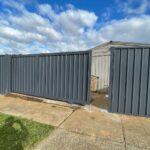
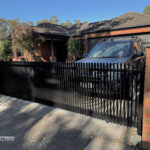
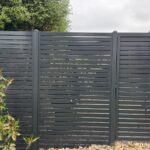
If you’re researching driveway gates for your home, you’ve probably come across the term Colorbond sliding gate more times than you can count. And there’s a reason for that — this style is one of the most popular choices for Melbourne homeowners. It’s durable, secure, fully private, and surprisingly customisable.
But once you actually start reading about costs, space requirements, tracks, rollers, and choosing the right gate motor, the process can get confusing — fast.
This guide breaks everything down in a simple, conversational way, just like a real gate installer in Melbourne would explain it during a site inspection.
By the end, you’ll know exactly:
-
How much a Colorbond sliding gate costs (manual vs automatic gate)
-
What hardware you really need — and what’s optional
-
How much sliding space your driveway should have
-
What kind of gate motor fits your gate size and weight
-
When a sliding gate is not the best option
-
How to avoid the most common installation mistakes
Let’s get into it.
What Exactly Is a Colorbond Sliding Gate?

A Colorbond sliding gate is a steel-framed driveway gate that uses Colorbond sheeting on the outside and opens by sliding horizontally along a track or rail. Instead of swinging inward or outward, it glides to the side — which is perfect for narrow or short driveways where swing clearance is a problem.
Why Melbourne homeowners love it
-
Full privacy (no gaps)
-
Great wind resistance
-
Low maintenance
-
Matches existing Colorbond fencing
-
Works perfectly as an automatic gate
-
Strong, secure, and long-lasting
Because Melbourne weather is unpredictable — windy one day, pouring rain the next — sliding systems generally perform better than swing gates.
How Much Does a Colorbond Sliding Gate Cost in Melbourne?
Let’s address the biggest question first.
The average cost of a Colorbond sliding gate in Melbourne ranges from:
$2,800 – $6,500 for a manual sliding gate
$3,800 – $9,500 for an automatic sliding gate
That’s a wide range, right?
Here’s why: unlike premade Bunnings-style gates, most sliding gates are custom fabricated to fit your driveway, match your fencing, and support the right weight.
Below is the cost breakdown so you understand what you’re paying for.
Detailed Cost Breakdown for Colorbond Sliding Gates

1. Gate Frame + Colorbond Inserts ($1,400 – $3,500)
Price depends on:
-
Gate width (3m to 6m is standard)
-
Height (1.5m, 1.8m, or 2.1m)
-
Steel thickness
-
Colorbond sheet profile (Trimdek, Corrugated, Smartspan, etc.)
-
Reinforced rail design for automation
Wider gates = heavier gates = stronger frames = higher cost.
2. Sliding Hardware ($250 – $650)
A smooth-sliding gate relies on good hardware:
-
Galvanised steel track
-
Guide rollers
-
Wheel assemblies
-
End stops
-
Anti-lift brackets
Cheap hardware = wobbling, rattling, hard-to-push gates.
Spend a bit more here and the gate feels like it “glides.”
3. Posts and Structural Support ($200 – $800)
You usually need:
-
A receiver post
-
A support post for the motor
-
Extra concrete around weak soil
If your soil is sandy, soft, or unstable (common in Point Cook, Tarneit, Cranbourne, and Pakenham), installers may recommend deeper footings.
4. Gate Motor ($700 – $2,500)
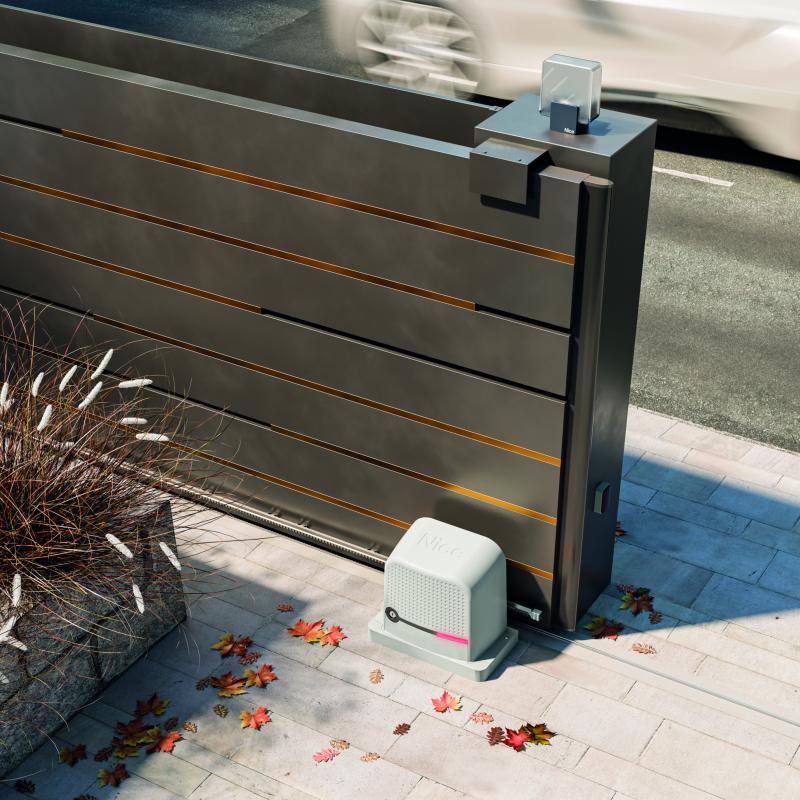
If you choose an automatic gate, the motor is a major component.
Prices depend on:
-
Gate weight
-
Motor capacity (domestic vs commercial)
-
Features (Wi-Fi, smart app, solar, battery backup)
-
Brand (ATA, FAAC, Nice, Centurion, etc.)
We’ll talk more about choosing the right gate motor later — it’s important.
5. Labour & Installation ($800 – $2,500)
Installation typically includes:
-
Track laying
-
Welding
-
Post installation
-
Motor wiring
-
Gate alignment
-
Safety testing
-
Remote programming
The more complex your driveway, the more labour is required.
Manual vs Automatic Colorbond Sliding Gate: Which One Should You Choose?
When people ask for a quote, many start with a manual gate to keep the budget low.
But honestly? Most homeowners eventually choose an automatic gate because:
-
Colorbond is heavy
-
Melbourne weather is unpredictable
-
Getting out of the car every time gets old real fast
Let’s compare both.
1. Manual Sliding Gate
Pros
-
Cheaper upfront
-
No electrical work
-
Less maintenance
Cons
-
Heavy to operate
-
Not ideal for windy locations
-
Less secure
-
Must get out of your car
If your gate is wider than 3.5–4m, manual operation becomes noticeably difficult.
Automatic Sliding Gate
Pros
-
Convenient
-
Remote, keypad, and smartphone control
-
Higher security
-
Safer for children and pets
-
Adds value to your home
Cons
-
Higher upfront investment
-
Occasional maintenance needed
90% of Melbourne homeowners choose automatic, especially for daily-use driveways.
Read more: Pedestrian Gate with Automatic Driveway Gate: Why Melbourne Families Love This Combo
Choosing the Right Gate Motor (This Part Really Matters)

Choosing the wrong motor is one of the most common mistakes homeowners make.
A motor that’s too weak causes:
-
Jerky movement
-
Loud grinding
-
Early burnout
-
Slow opening times
Let’s break down what you should look for.
1. Gate Weight Rating
Every gate motor has a maximum weight capacity.
Colorbond gates are heavier than slat or tubular designs.
Typical weights:
| Gate Width | Approx Weight |
|---|---|
| 3m | 80–120kg |
| 4m | 120–170kg |
| 5m | 170–250kg |
| 6m+ | 250–350kg+ |
General rule: Choose a motor with 20–30% more capacity than your gate’s weight.
2. Frequency of Use
If your household has:
-
Multiple cars
-
A busy driveway
-
A rental or shared property
…you need a medium-to-heavy duty motor.
Light-use domestic motors are fine for single-family homes.
3. Safety Features to Look For
A good motor includes:
-
Obstruction detection
-
Auto-stop and reverse
-
Soft open & soft close
-
Manual release
-
Weather-sealed body
-
Optional battery backup
The battery backup is particularly important in Melbourne’s storm-prone suburbs.
4. Motor Brands Commonly Used in Melbourne
Reliable brands include:
-
ATA (Australian brand, very common)
-
FAAC (premium Italian)
-
Nice (European, durable)
-
Centurion (heavy-duty)
-
KingGates
Your gate installer in Melbourne will normally recommend a brand based on gate size and site conditions.
Space Requirements: How Much Room Do You Actually Need for a Sliding Gate?

This is the #1 thing people misunderstand.
A sliding gate needs side space. It must slide in the opposite direction of your driveway opening — fully.
General rule:
Gate width + 30–40% extra space
Let’s break it down clearly.
Sliding Space Examples
| Driveway Opening Width | Minimum Sliding Space Needed |
|---|---|
| 3m | 4.2m – 4.5m |
| 4m | 5.2m – 5.5m |
| 5m | 6.5m – 7m |
Why so much space?
Because the gate doesn’t just match the opening — it needs room to “overhang” to stay supported by the wheels at all times.
What If You Don’t Have Enough Side Room?
You still have options:
-
Cantilever sliding gate (no track on the ground)
-
Bi-parting sliding system (two gates slide outward from the centre)
-
Swing gate alternative
A good installer will evaluate the best option for your property layout.
Track Requirements: Do You Need Concrete?
Most sliding gates perform best when installed on:
-
A concrete strip
-
A level driveway
-
A stable track base
Melbourne’s soil conditions — especially in new estates — can be soft.
If your soil isn’t strong enough, installers often pour a small concrete footing to stabilise the track.
Why concrete is recommended:
-
Prevents track movement
-
Stops sinking or tilting
-
Ensures smooth sliding
-
Improves gate lifespan
A wobbly track = a noisy gate + faster motor wear.
Colorbond Sheet Profiles: What Style Should You Choose?
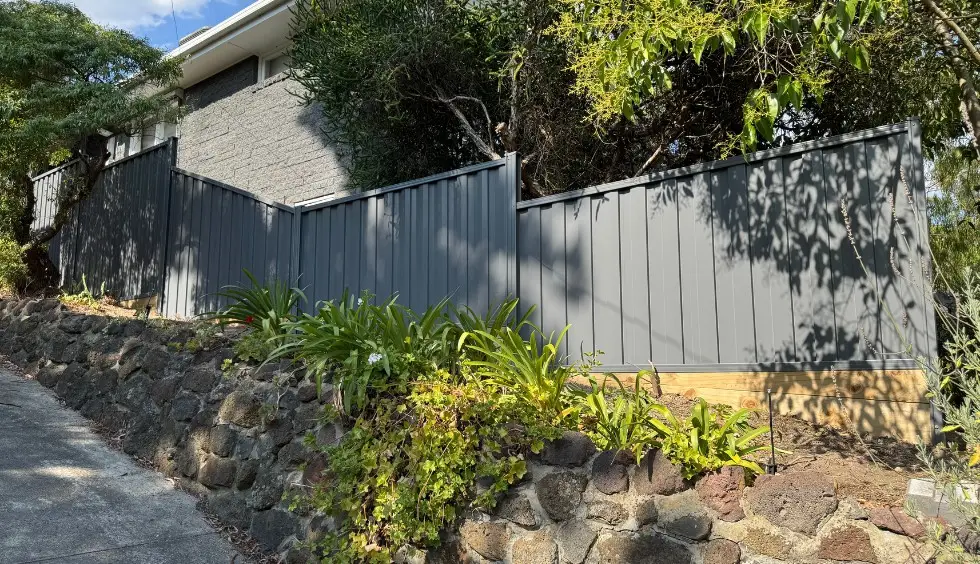
Your Colorbond sliding gate can match your fence or home exterior.
Popular profiles include:
-
Trimdek
-
Corrugated (Custom Orb)
-
Smartspan
-
Superdek
-
Louvres (stacked with sheeting)
-
Colorbond lattice top
Explore Colorbond styles
Colors often chosen by Melbourne homes:
-
Monument (the top pick)
-
Woodland Grey
-
Basalt
-
Surfmist
-
Dune
-
Ironstone
-
Classic Cream
You can also mix Colorbond sheeting with:
-
Aluminium slats
-
Decorative screens
-
Perforated panels
-
Timber-look steel inserts
This gives a more architectural look while staying durable.
Explore 10 Most Popular Colorbond Fence Colors for 2025
How Long Does a Colorbond Sliding Gate Installation Take?
Most Colorbond sliding gates follow this timeline:
1. Site inspection (20–40 mins)
Installer measures:
-
Opening width
-
Soil conditions
-
Levels
-
Power availability
-
Sliding space
2. Fabrication (5–10 business days)
Gate frame and sheets are cut, welded, and powder-coated.
3. Installation (4–8 hours)
Typical tasks:
-
Track installation
-
Post setup
-
Gate mounting
-
Motor installation
-
Remote & keypad programming
-
Safety testing
Complex sites may take longer, especially if concrete work is involved.
Maintenance Tips for a Smooth, Quiet Sliding Gate
A Colorbond sliding gate is low-maintenance, but a little upkeep goes a long way.
Monthly
-
Clear debris from track
-
Remove leaves and stones
-
Check for rust spots (rare but possible)
Every 6 Months
-
Lubricate wheels (use silicone spray, not oil)
-
Check alignment
-
Examine motor gear cogs
Yearly
-
Full inspection by a gate installer
-
Tighten bolts
-
Recalibrate motor if needed
A well-maintained sliding gate can last 15–25 years or more.
When Is a Sliding Gate NOT the Best Option?
You may want to reconsider if:
-
Your boundary has zero sliding space
-
The ground slopes sideways dramatically
-
Your driveway is extremely uneven
-
You prefer a more architectural open-look design
Alternatives include:
-
Swing gates
-
Bi-fold gates
-
Cantilever sliding systems
-
Telescopic sliding gates
A specialist can help choose the right design.
How to Choose a Good Gate Installer in Melbourne
Not all installers are the same. Here’s what to look for:
1. They inspect the site in person
Photos aren’t enough for accurate quotes.
2. They provide custom fabrication
Every driveway is unique.
3. They explain motor options clearly
No vague specs — proper recommendations.
4. They offer warranty on both fabrication and motor
You want peace of mind.
5. They don’t upsell unnecessary extras
A good installer focuses on the right solution, not the most expensive.
6. They understand Melbourne suburbs
Clay soils in the east, soft ground in the west — local knowledge matters.
Read more: Top-Rated Colourbond Fence and Gate Installers in Hampton Park
Final Thoughts: Is a Colorbond Sliding Gate Worth It?
Absolutely — especially in Melbourne.
A Colorbond sliding gate gives you:
-
Strong security
-
Low maintenance
-
Modern curb appeal
-
Full privacy
-
Smooth operation (with a good motor)
-
Reliable performance in windy weather
Whether you’re going with a manual version or upgrading to an automatic gate, the key to a long-lasting installation is choosing high-quality hardware and a reliable gate installer in Melbourne who understands local soil, weather, and property layouts.