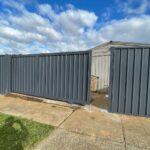
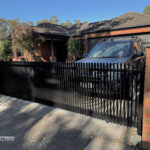
A sliding gate should move like it’s gliding on air — not rattling, grinding, squeaking, or sounding like it’s about to fall apart. If your gate has started making strange noises, you’re not alone. A noisy sliding gate is one of the most common problems homeowners encounter, especially in Melbourne where weather, soil type, and heavy daily use can wear down gate hardware over time.
The good news?
Most noise issues can be fixed quickly if you know what to check.
This guide walks you through how to diagnose the problem, how to fix the noise, and how to keep your sliding gate running smooth and quiet for years.
Whether your gate is manual or an automatic sliding gate powered by a motor, these steps apply to both.
Let’s get into it.
Why Your Sliding Gate Is Noisy: The Real Causes
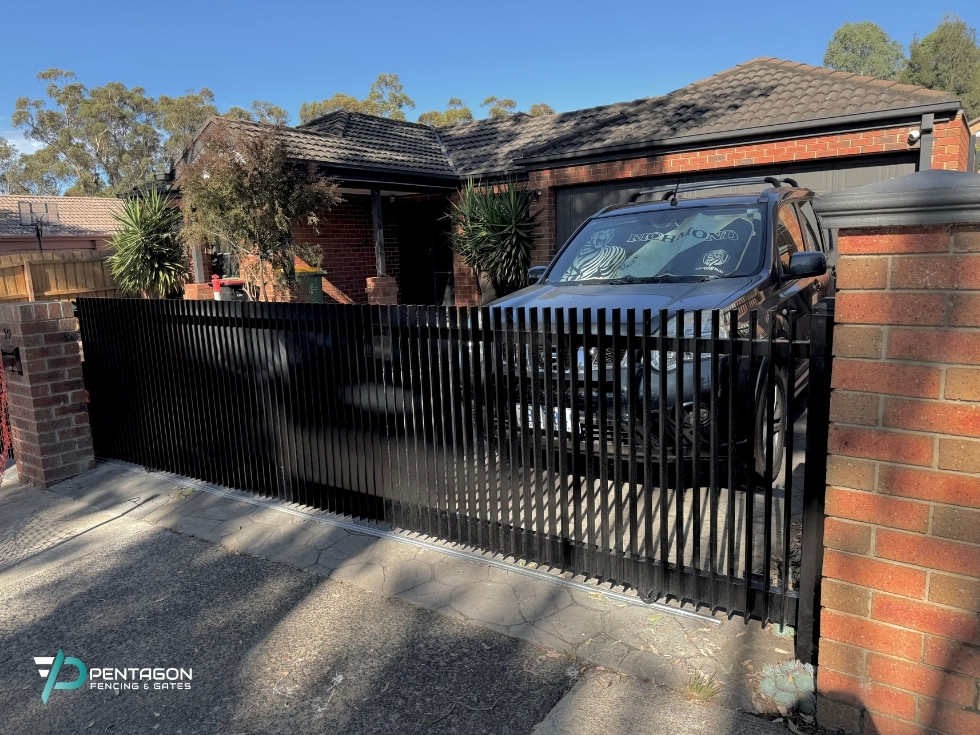
Before you can fix a noisy sliding gate, you need to understand what is making the noise. A sliding gate is made up of several moving components—wheels, tracks, brackets, guides, bearings, motor gears—and any one of them can create grinding, rattling, squeaking, or scraping sounds when something goes wrong.
Below is a detailed breakdown of the most common causes of a noisy sliding gate, what symptoms they produce, and why they happen. Understanding these root issues makes troubleshooting much easier and prevents long-term damage to your gate or motor.
1. Dirt, Stones, and Debris Clogged in the Track
The track is the sliding gate’s “road.” When that road is obstructed, noise is almost guaranteed.
Why it happens
In Melbourne, changing seasons bring:
-
Leaves blown in by wind
-
Fine dust and dirt
-
Gum tree debris
-
Pebbles from garden beds
-
Mud after rain
-
Small stones carried by cars
Even tiny objects in the track force the wheels to bump, grind, or ride unevenly.
Symptoms
-
Crunching or cracking sounds
-
Rough or jerky sliding
-
The gate “jumps” at certain points
-
Gate slows down when hitting debris
Why it matters
If debris stays in the track too long, it wears down your wheels and strains your motor.
2. Worn, Rusted, or Flattened Wheels
The wheels (rollers) carry the gate’s full weight. Over time, they naturally wear down, especially on heavy Colorbond gates.
Types of wheel issues
-
Flat spots from repeated pressure
-
Cracked nylon from old age or UV exposure
-
Rusty steel wheels in damp environments
-
Loose or seized bearings
Symptoms
-
Grinding metal-on-metal noise
-
Hollow “thud” sounds when wheels hit flat spots
-
The gate shakes while moving
-
Wheels wobble instead of rolling straight
-
The gate is suddenly harder to push
Why it matters
If wheels aren’t replaced early, they can cause misalignment or damage the track.
3. Misaligned Gate Frame
Alignment issues are extremely common, especially in suburbs where soil expands, contracts, or shifts.
Why it happens
-
Soil movement after heavy rain
-
Poor installation
-
Driveway sinking or shifting
-
Pressure from a vehicle or bin hitting the gate
-
Gate frame bending over time
Symptoms
-
The gate scrapes the track or guide bracket
-
Squeaking or dragging sounds
-
Gate stops or struggles at certain points
-
Gate leans to one side
Why it matters
A misaligned gate forces extra weight onto wheels and motors, accelerating wear.
4. Bent, Warped, or Damaged Track
Your sliding track must be perfectly straight. Any bend—small or large—creates resistance.
Common causes
-
A car driving over the track
-
Bins or heavy objects dropped on it
-
Pets repeatedly running across it
-
Soft soil beneath the track shifting
-
Concrete cracking or sinking
Symptoms
-
Loud scraping
-
Grinding at one specific location
-
The gate jumps off the track slightly
-
Uneven sliding speed
Why it matters
A warped track can cause:
-
Damaged wheels
-
Motor strain
-
Higher electricity usage
-
Grinding that worsens over time
Track damage should be fixed quickly before it causes deeper issues.
5. Loose Bolts, Screws, or Brackets
A sliding gate vibrates during operation, and over time, bolts naturally loosen.
What parts loosen most often
-
Top guide brackets
-
Wheel assembly bolts
-
Rack mounting screws
-
Track anchor bolts
-
End stops
Symptoms
-
Metallic rattling or shaking
-
Gate vibrating during movement
-
Clicking sounds when starting or stopping
-
The gate sways sideways more than usual
Why it matters
Loose hardware can lead to full failure of:
-
The motor
-
The track
-
The gate frame
Tightening hardware is simple but essential.
6. Lack of Lubrication on Moving Parts
A dry gate makes noise—simple as that.
Parts that require lubrication
-
Wheel bearings
-
Guide rollers
-
Gate motor rack (lightly)
-
Sliding gate hinges (if hybrid system)
Symptoms
-
High-pitched squeaking
-
Stiff or slow movement
-
Gate feels heavy even if wheels are fine
-
Grinding from dry bearings
Why it matters
Lack of lubrication causes:
-
Premature wheel wear
-
Motor overwork
-
Increased friction that damages the track
Regular lubrication prevents 80% of noise issues.
7. A Struggling or Underpowered Motor (for Automatic Sliding Gates)
If your sliding gate is automatic, the gate motor is often the hidden cause of the noise.
Why it happens
-
Motor too small for the gate
-
Worn internal gears
-
Rack and pinion misalignment
-
Excessive gate weight (due to debris or friction)
-
Old or low-quality motor brand
-
Obstructions causing extra load
Symptoms
-
Grinding or humming sounds
-
Slow or inconsistent opening
-
Sudden stops
-
Motor gets hot quickly
-
Clicking or chattering noises
Why it matters
A struggling motor can eventually fail—and replacing one costs much more than preventing the strain that caused it.
A gate installer in Melbourne can quickly diagnose motor problems if you’re unsure.
Now let’s walk through how to fix it.
How to Fix a Noisy Sliding Gate: Step-by-Step Troubleshooting Guide

1. Clean the Track Thoroughly
This is the easiest fix and often solves the problem immediately.
What to do
-
Remove leaves, dirt, stones, or sand from the track.
-
Use a stiff brush or small broom.
-
Run a wet cloth along the track to remove fine dust.
-
If there’s mud buildup, use a hose briefly—then dry the track completely.
Why it works
Even a tiny stone can cause a surprising amount of noise.
A clean track gives the wheels a smooth path.
2. Check for Track Damage or Warping
A bent track forces the gate wheels to lift, drop, or grind as they roll.
Signs of a bent track
-
Your gate “jumps” at specific points
-
You hear scraping or metal-on-metal sounds
-
The gate slows down or speeds up in certain spots
How to check
Run your hand along the track and feel for:
-
Dents
-
Lifting
-
Twisting
-
Uneven levels
Fix
Small bends can be tapped back into shape with a rubber mallet.
Major warping?
You’ll need a replacement section — and often a gate installer in Melbourne to re-level the slab or ground base.
3. Inspect and Tighten All Bolts and Brackets
Loose hardware creates rattling, clunking, and shaking noises.
Check these points:
-
Guide rollers at the top
-
Wheel assembly bolts
-
Track anchor screws
-
Motor mounting bolts (for an automatic sliding gate)
-
Stop brackets
How to fix
Use a socket wrench or spanner to tighten everything snugly — not overly tight, as that can strain movement.
4. Examine the Wheels for Wear or Damage
The wheels (rollers) carry all the weight, so they wear out faster than any other part.
Look for:
-
Flat spots
-
Cracks
-
Rough surfaces
-
Wobbling side-to-side
-
Rust (for steel wheels)
-
Hard-to-turn bearings
Fix
If they’re worn, replace them with:
-
Nylon wheels (quietest)
-
Steel wheels (strongest for heavy gates)
If the wheels seize or slide instead of rotating, your gate will make loud grinding noises.
Replacing wheels is straightforward but requires the right tools. If you’re unsure, call a gate installer in Melbourne.
5. Lubricate the Right Parts
Lack of lubrication causes squeaking, squealing, and stiff rolling.
Lubricate:
-
Wheel bearings
-
Top guide rollers
-
Motor gear racks (lightly)
-
Hinges on the latch side
-
Internal motor gears (only if recommended by the manufacturer)
Use the right lubricant
-
Silicone spray for wheels and bearings
-
Dry lube for gate tracks
-
Do NOT use WD-40 as a long-term lubricant — it dries out and attracts dust
Avoid lubricating:
-
The bottom track (most tracks should remain dry)
-
Electrical components
-
Motor housings
Lubricate every 3–6 months depending on usage.
6. Check the Gate Alignment
Many noisy sliding gates are the result of simple misalignment.
Signs of misalignment
-
The gate leans slightly
-
It rubs the ground or the top bracket
-
The motor struggles or stalls
-
You hear “scraping” against the track
How to check alignment
Use a spirit level and check:
-
The frame is straight
-
The gate sits squarely on the wheels
-
The track is properly aligned with the motor gear rack
Fix
Alignment adjustments usually require loosening and re-tightening the wheel brackets.
If your gate is severely tilted due to soil movement or sinking concrete, a gate installer in Melbourne should repair it properly.
7. Inspect the Gate Motor (If You Have an Automatic Sliding Gate)
A noisy automatic gate often means the motor is under stress.
Possible motor-related causes
-
Gate too heavy for the motor
-
Motor cogs are worn
-
Rack teeth are damaged
-
Motor is installed out of alignment
-
Insects or dust inside the motor housing
Fix
-
Clean the rack
-
Remove debris around the motor
-
Check mounting bolts
-
Lightly lubricate the rack (if recommended)
-
Listen for grinding or whining sounds
If the motor is straining, it may be undersized — something only a professional can properly diagnose.
8. Look for Obstructions or Track Intrusions
Sometimes the cause is simple:
-
A child’s toy
-
A rock
-
A gardening tool
-
Overgrown weeds
-
A brick edging moving into the track
A quick visual scan often reveals the culprit.
9. Examine the Top Guide System
The top guide keeps your sliding gate from tipping over.
Common guide issues
-
Rollers too tight (creates resistance)
-
Rollers too loose (creates wobbling and noise)
-
Worn roller sleeves
-
Bent metal guide arm
Fix
-
Adjust spacing
-
Replace worn sleeves
-
Straighten guide brackets
A noisy sliding gate often vibrates at the top when the guide rollers are loose.
10. Reinforce or Level the Ground Base (If Needed)
Some Melbourne homes — especially in newer suburbs like Tarneit, Truganina, Craigieburn, Mickleham, and Cranbourne — have soft or shifting soil.
This can cause:
-
Track movement
-
Bending
-
Gate misalignment
-
Motor strain
Fix
Installers may:
-
Re-pour concrete
-
Add support slabs
-
Realign the track
-
Install a raised track
This step usually requires a professional installer.
How to Prevent Your Sliding Gate From Becoming Noisy Again
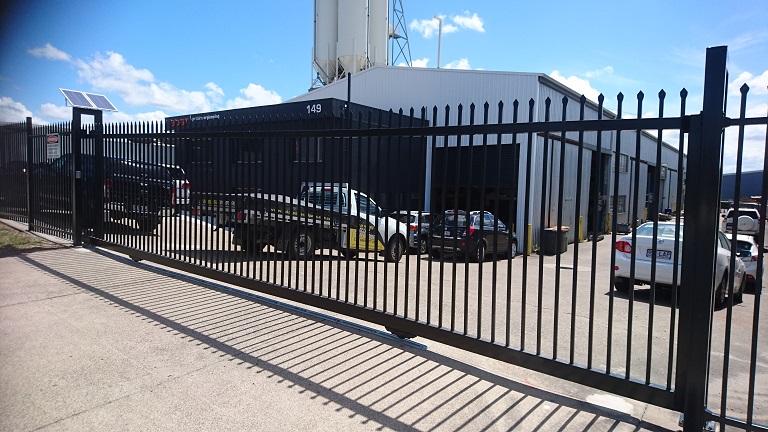
Now that your gate is repaired, let’s keep it smooth and quiet for years.
1. Clean the Track Monthly
Remove:
-
Dust
-
Debris
-
Leaves
-
Small stones
A clean track = a quiet gate.
2. Lubricate Every 3–6 Months
Focus on:
-
Rollers
-
Bearings
-
Guide brackets
Avoid lubricating the track — it attracts dirt.
3. Inspect Wheels Annually
Replace them before they completely wear out.
New wheels make a massive difference in smoothness.
4. Check Alignment Twice a Year
Especially after:
-
Heavy rain
-
Property movement
-
Concrete cracks
Simple adjustments prevent big repair bills.
5. Maintain the Motor
Every year:
-
Clean the housing
-
Remove insects
-
Check gears
-
Tighten bolts
Automatic gates last longer with a bit of attention.
6. Keep Plants and Grass Trimmed
Overgrown garden beds often push into the sliding path.
7. Don’t Lean Heavy Items Against the Gate
This bends the frame over time.
8. Schedule Yearly Professional Maintenance
A gate installer in Melbourne can:
-
Re-align the track
-
Adjust motor force
-
Replace worn wheels
-
Test safety systems
-
Inspect wiring
This is especially important for automatic sliding gates used daily.
When Should You Call a Professional Gate Installer?

Fixing a noisy sliding gate is usually simple — but not always.
Call a gate installer in Melbourne if:
-
The gate is dragging heavily
-
The frame is bent
-
The track is sunk or twisted
-
The motor is grinding loudly
-
The gate shakes while moving
-
Wheels are completely worn
-
You suspect electrical issues
-
You’ve tried everything and the gate is still noisy
A professional can assess structural issues that DIY adjustments won’t fix.
Frequently Asked Questions About Noisy Sliding Gates
Why is my sliding gate grinding?
Most likely: dirt in the track, worn wheels, or misalignment.
Why does my automatic gate make a loud buzzing sound?
The motor may be struggling due to weight or damaged gears.
Can a sliding gate be silent?
It can’t be completely silent, but it should be smooth and quiet.
How long do sliding gate wheels last?
Typically 5–10 years depending on use and weather.
Do I need to oil the track?
No — oiling the track attracts dirt and makes things worse.
Final Thoughts
A noisy sliding gate is annoying, but the fix is often simple. With the right troubleshooting — cleaning, lubricating, checking wheels, tightening bolts, and correcting alignment — most homeowners can restore smooth and quiet operation without much effort.
However, if your gate is old, misaligned, or structurally damaged, or if the motor is struggling, a professional gate installer in Melbourne can quickly diagnose the root cause and carry out proper repairs.
A smooth, quiet sliding gate doesn’t just feel better — it lasts longer, protects your home more reliably, and gives your property a polished, secure look.